Canadian Toad
Canadian Toad
Anaxyrus hemiophrys
Species at Risk: May Be At Risk
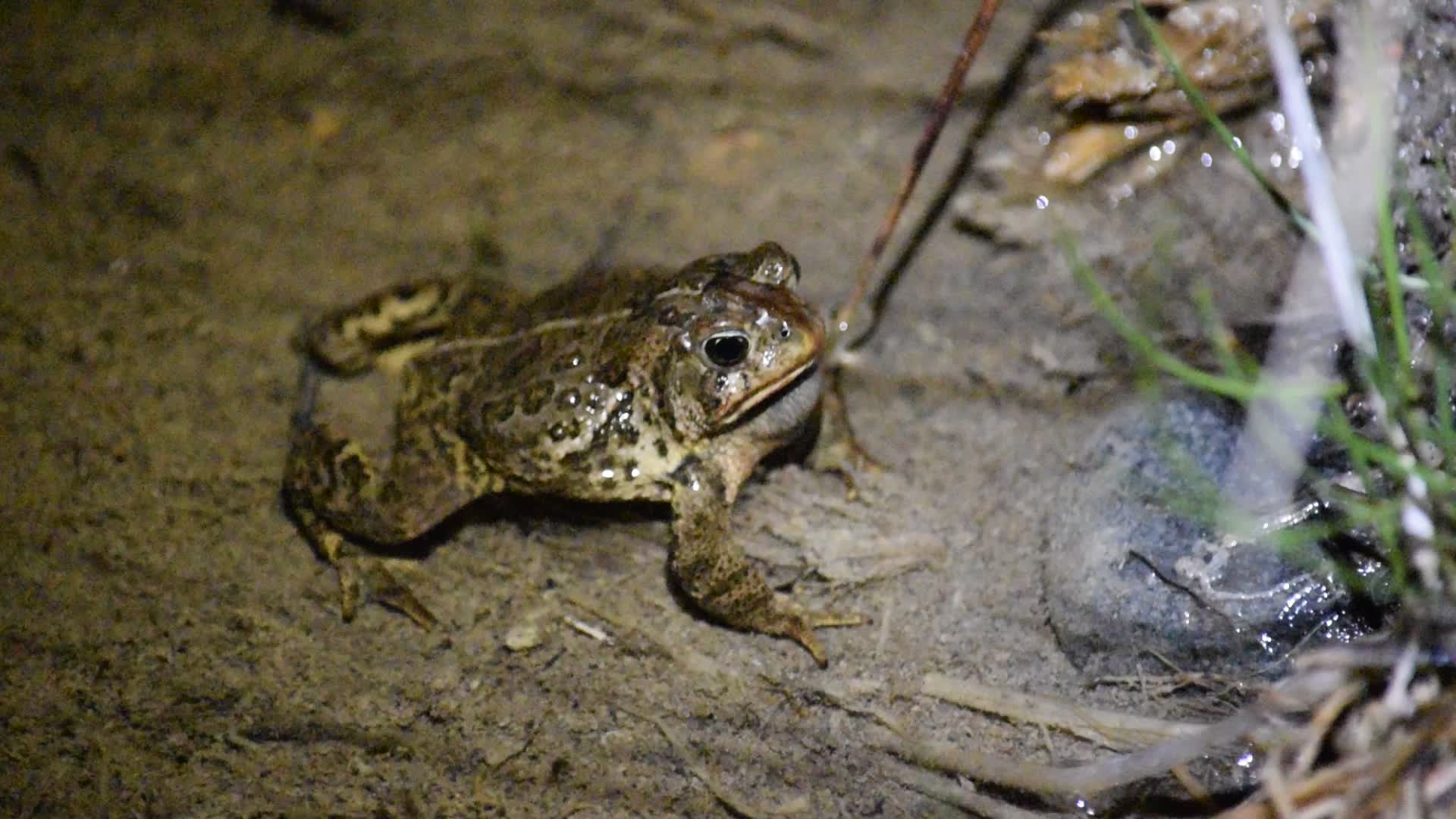
Canadian Toads range in size from about 1.5-3” (3-7.5 cm). They come in
a variety of colors, from brownish to greenish to grey, with reddish
tubercles/warts located in dark spots. The “Hemiophrys” in the
scientific name means “eyebrow”, referring to the pronounced cranial
crest. They have tubercles on their back feet for burrowing. They are
usually diurnal (awake during the day) and burrow overnight in sandy or
loamy soil. However, they will also hunt at night if it is warm enough.
Canadian Toads feed on a variety of invertebrates, including beetles,
worms and ants.
Canadian Toads are widely distributed throughout Alberta. They are
usually found along riverbeds, ponds, or sandy lake shores. Like all
amphibians, they require water for breeding. Males begin calling in May,
even at very low temperatures (5 degrees C). Females will lay 4000-7000
eggs. Once breeding is completed, they are known to stray quite far
from water in grasslands, aspen parkland and boreal forests. They
over-winter in communal burrows below the frostline.
The Canadian Toad is listed as “May be at Risk”. This is because there
is insufficient data to determine its true status. The main threat to
Canadian Toads is habitat loss due to droughts, drainage of wetlands,
and human activity.
References
 Alberta Wildlife
Canadian Toad call